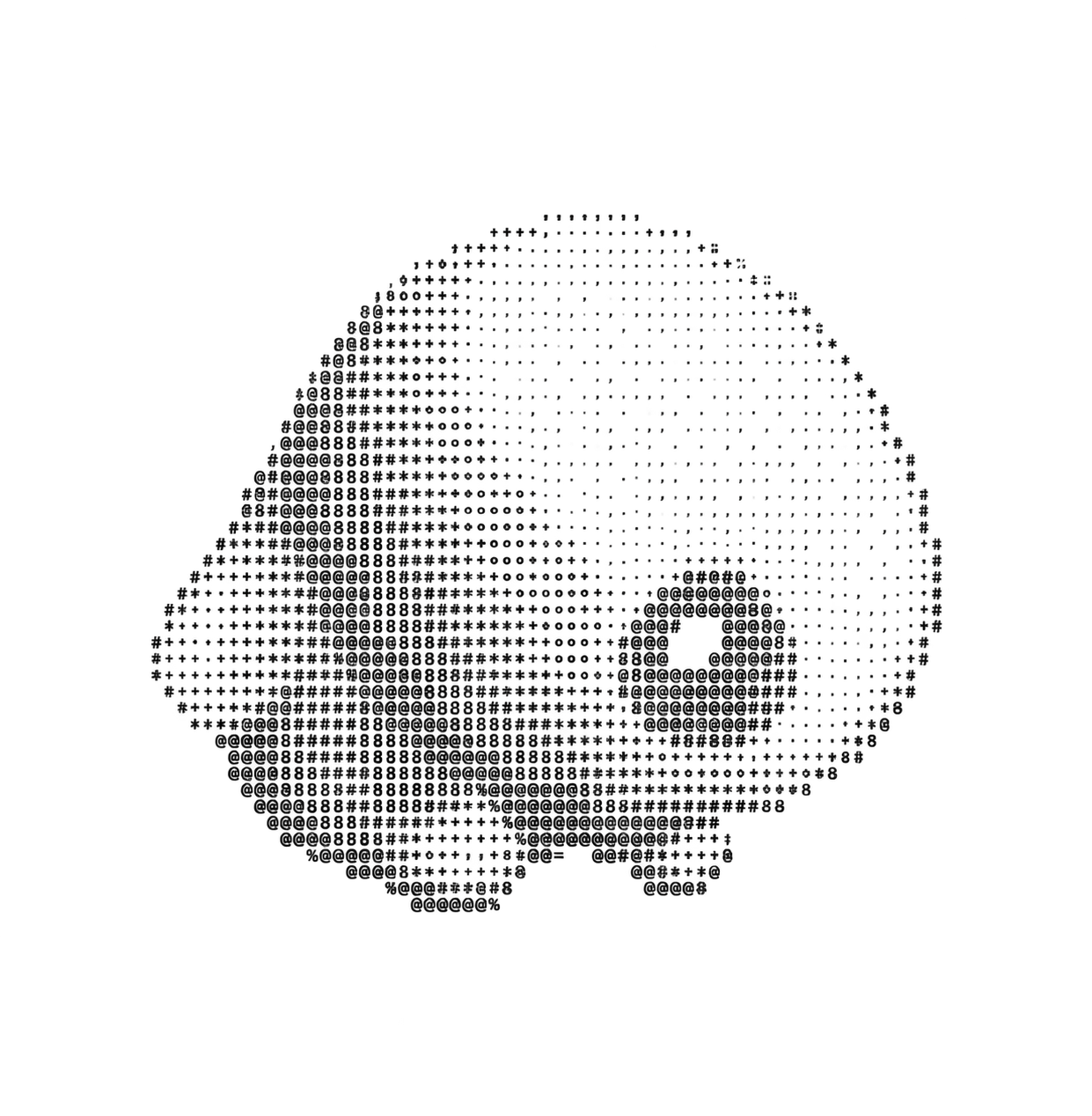
Every trade in this pool is put to a model as one question: what should this fee do. The answer is three probabilities, and the fee is divided by exactly those numbers between burning supply, deepening the pool and paying the wallets that never sold. The model is Jev, TypeSafe AI 2026.
Three route rows, then the 45 heaviest wallets. One column per swap. A mark means that wallet was paid from that swap, denser means a larger share. The newest column is orange.
What this is
vej is a token with a model wired into its fees. Every time someone swaps, the fee from that swap is handed to Jev, a model from TypeSafe AI that answers typed questions with probabilities instead of text.
It is asked one thing: what should this fee do. It can burn supply, deepen the pool, or pay holders. Its three probabilities are the split, to the cent. Nothing here runs on a timer. A swap is the only thing that makes it move.
Fees routed
| price | |
| market value | |
| pool depth | |
| holders | |
| wallets with weight | |
| swaps read by the model |
Allocation
| route | share | amount | last |
|---|---|---|---|
| burn | |||
| pool | |||
| holders |
Latest inference
| flow regime | |
| pool stress | |
| concentration risk | |
| wallet leaving | |
| confidence | |
| answered in |
How weight works
The holder share of each fee is divided by weight. Weight is what a wallet holds, multiplied by the share of its bag it has never sold.
Sell half of everything you ever bought, and what you still hold counts for half until you buy back. The wallet that sells gets nothing from its own sale. Splitting a bag across wallets changes nothing, because weight follows balance.
Weights
| wallet | holds | kept | weight | earned | paid |
|---|